
New Generation of BOB Deployed in Tjärnö, Sweden
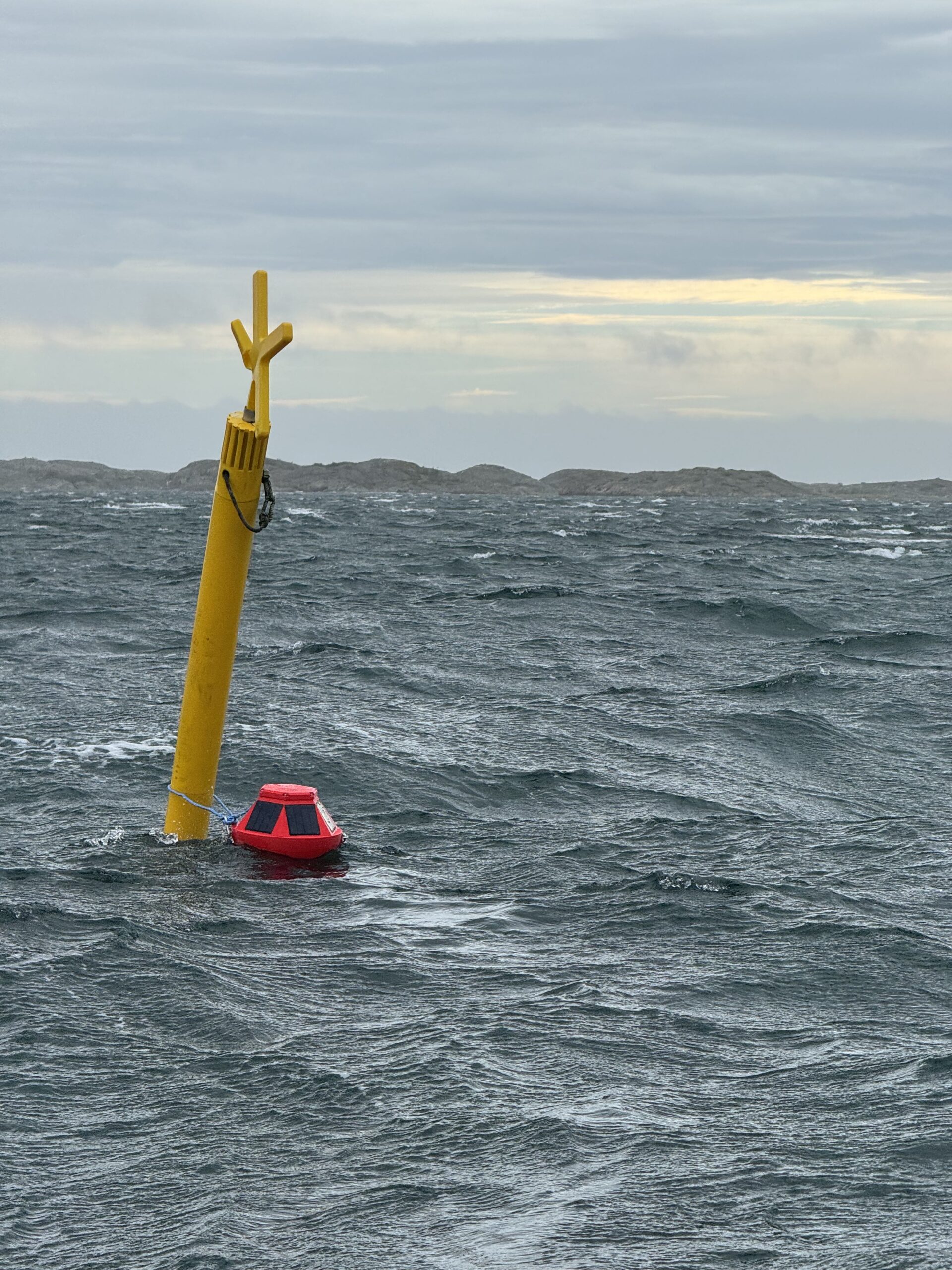
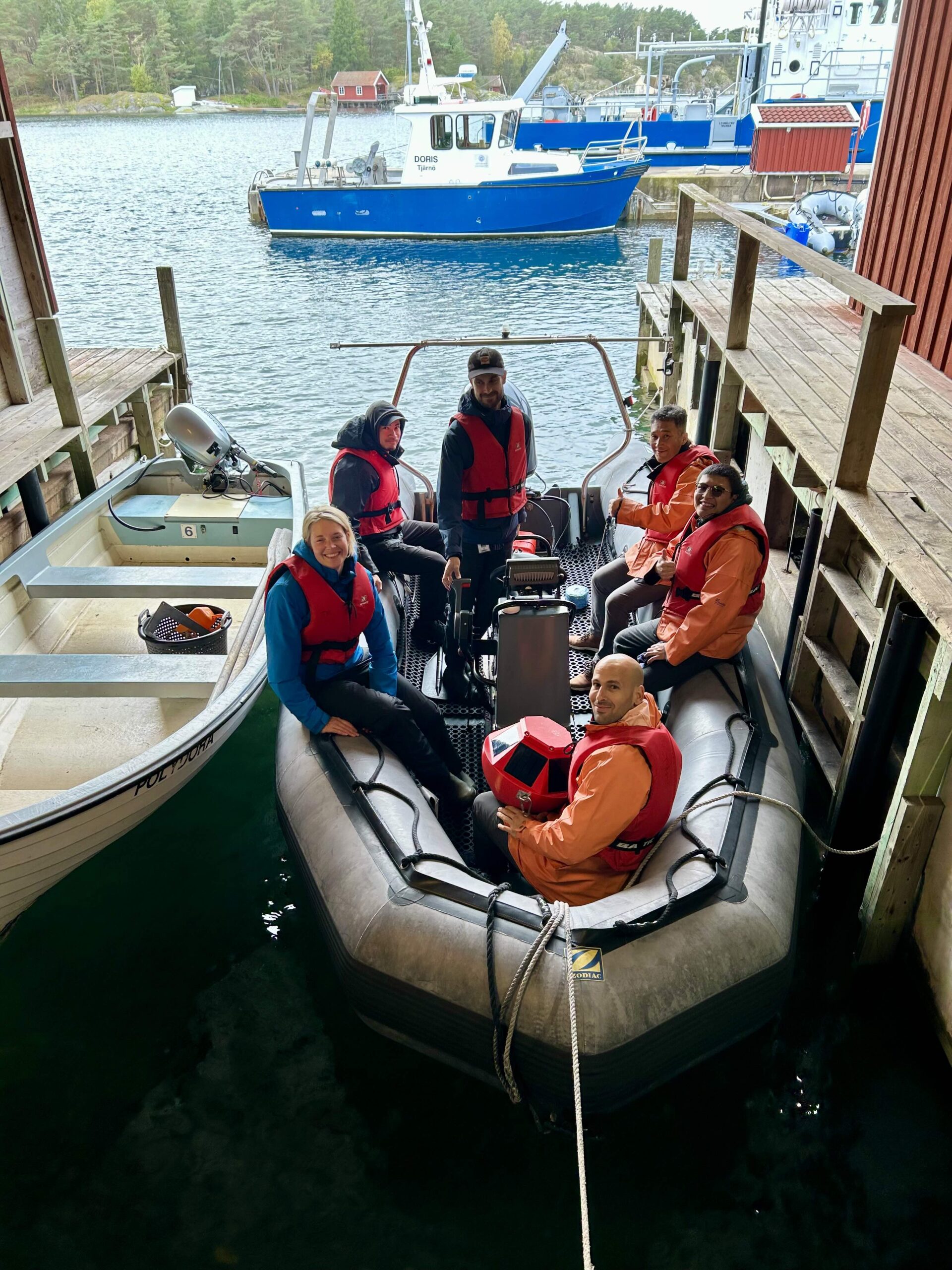
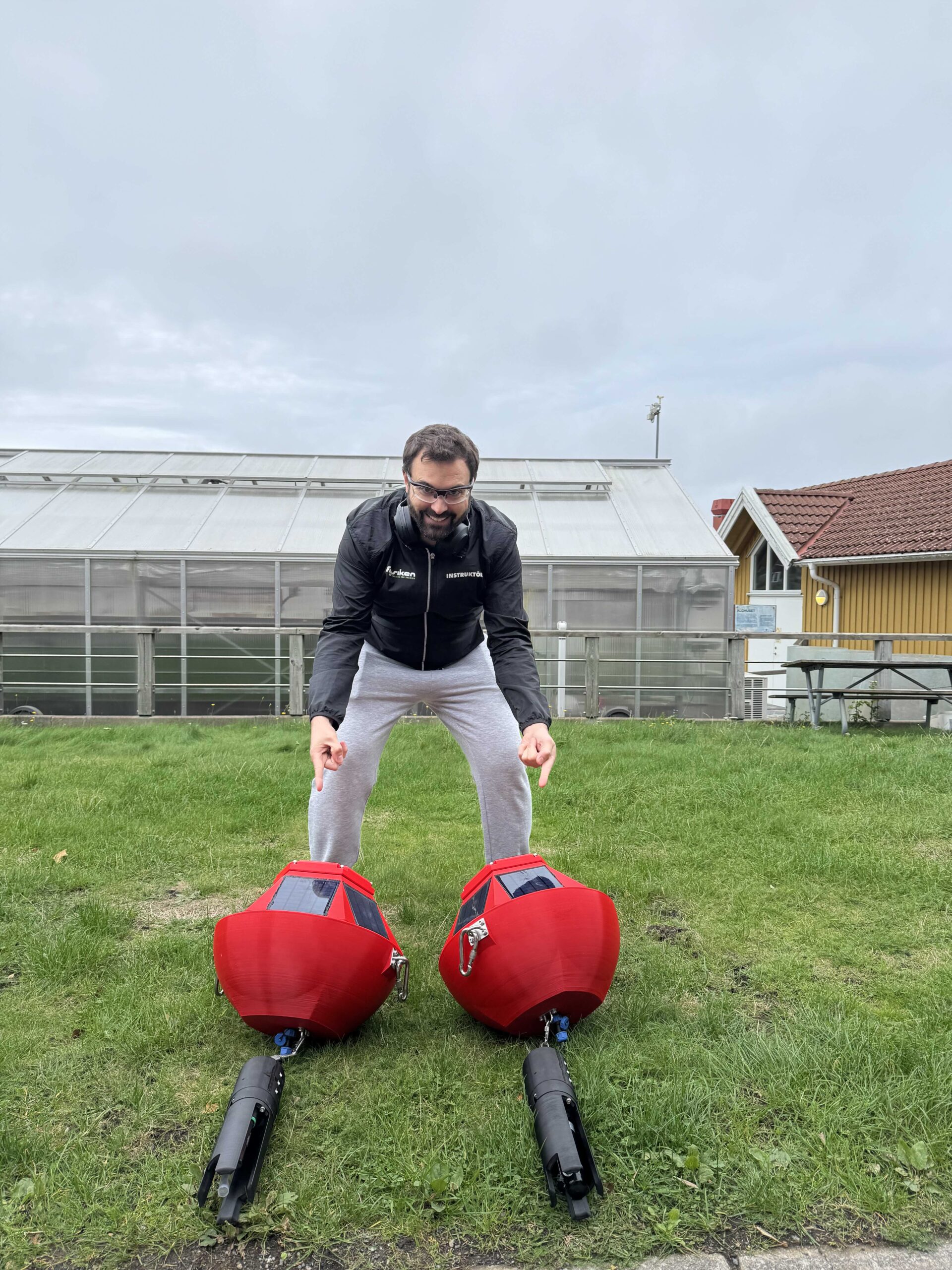
On 6 October 2026 we deployed the new generation of BOB off the coast of Tjärnö, on the Swedish west coast, as part of our collaboration with the University of Gothenburg.
The weather did not make it easy, and every step of the deployment took more time and care than we had planned. In the end the buoy went into the water as intended.
Those same conditions are also part of the point. With winter on its way, the coming months will put the buoy through rough weather and cold water, and that is exactly the kind of test we need before relying on it for long-term monitoring.
The site itself is interesting too. The area is being considered for seaweed farming, and continuous measurements from the water there can help show what conditions a future farm would have to deal with across the seasons.
Click a photo to open it at full size.
Three Buoys Deployed in Mitsuguchi Bay
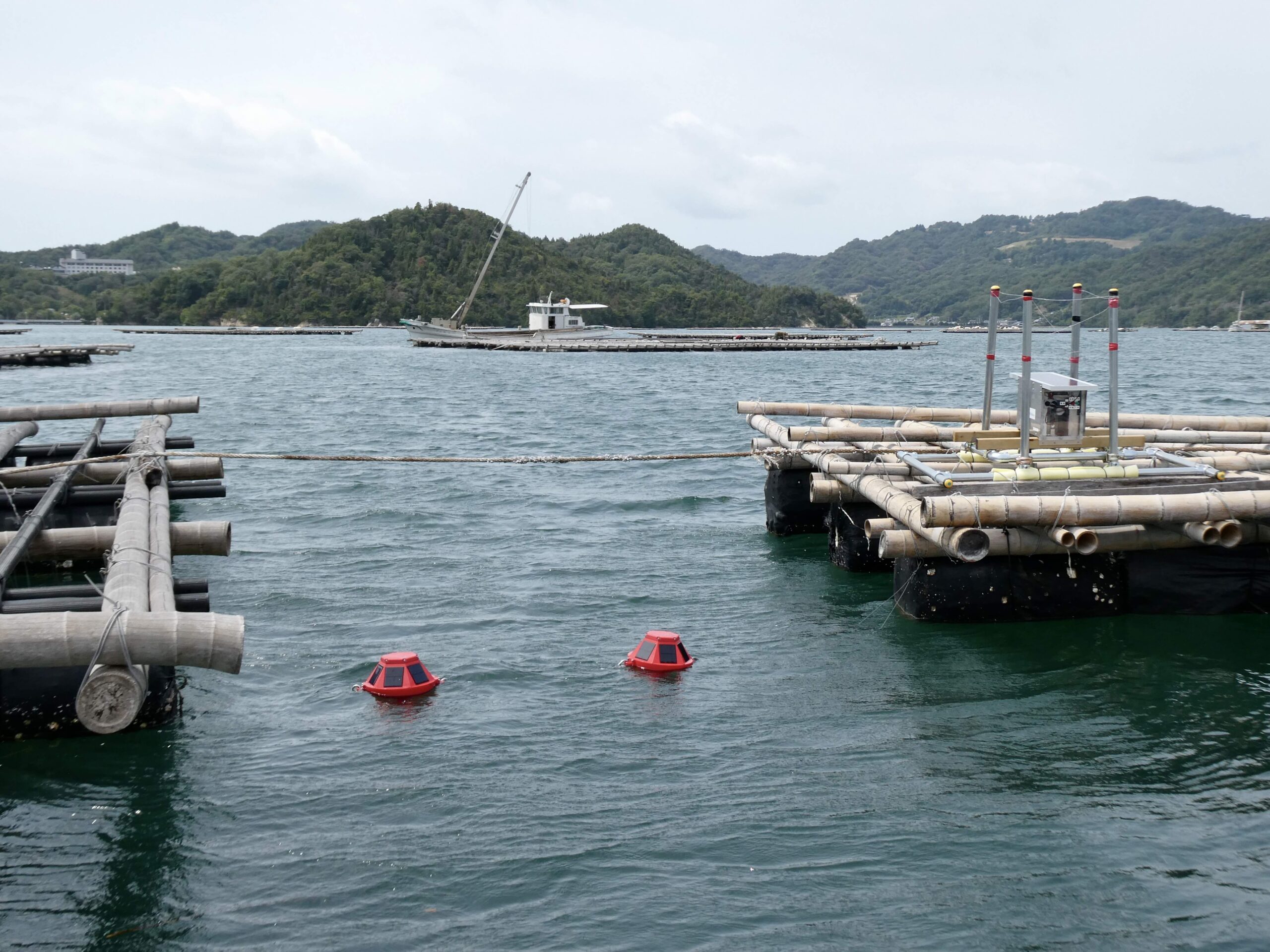
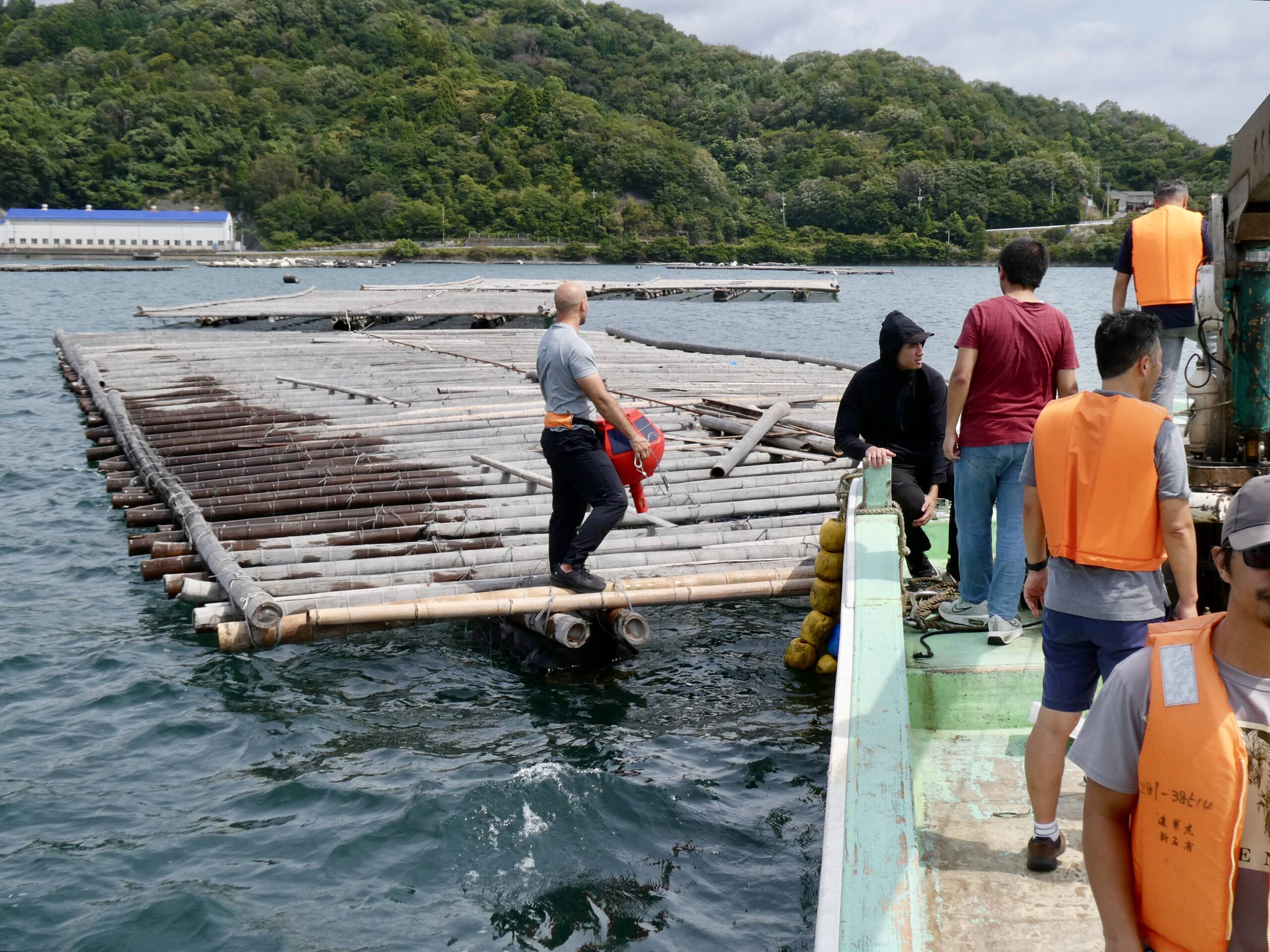
On 29 August 2026 we deployed three BOB buoys in Mitsuguchi Bay, each one equipped with sensors for water temperature, pH and salinity.
Mitsuguchi Bay is an important place for oyster farming in Japan, and it has been on many people’s minds since the mass mortality event that hit the 2025 harvest. After a loss like that, one of the first questions is what the water was doing in the weeks and months before, and that is hard to answer without continuous measurements from inside the bay.
That is the main goal of this deployment: to understand the dynamics of the bay. With three buoys reporting at the same time, we can follow how temperature, pH and salinity change through the day, with the tides and across the seasons, and build a record that can help make sense of what happens on the farms.
We will share what we learn as the data comes in.
Click a photo to open it at full size.
A New Collaboration with the University of Gothenburg
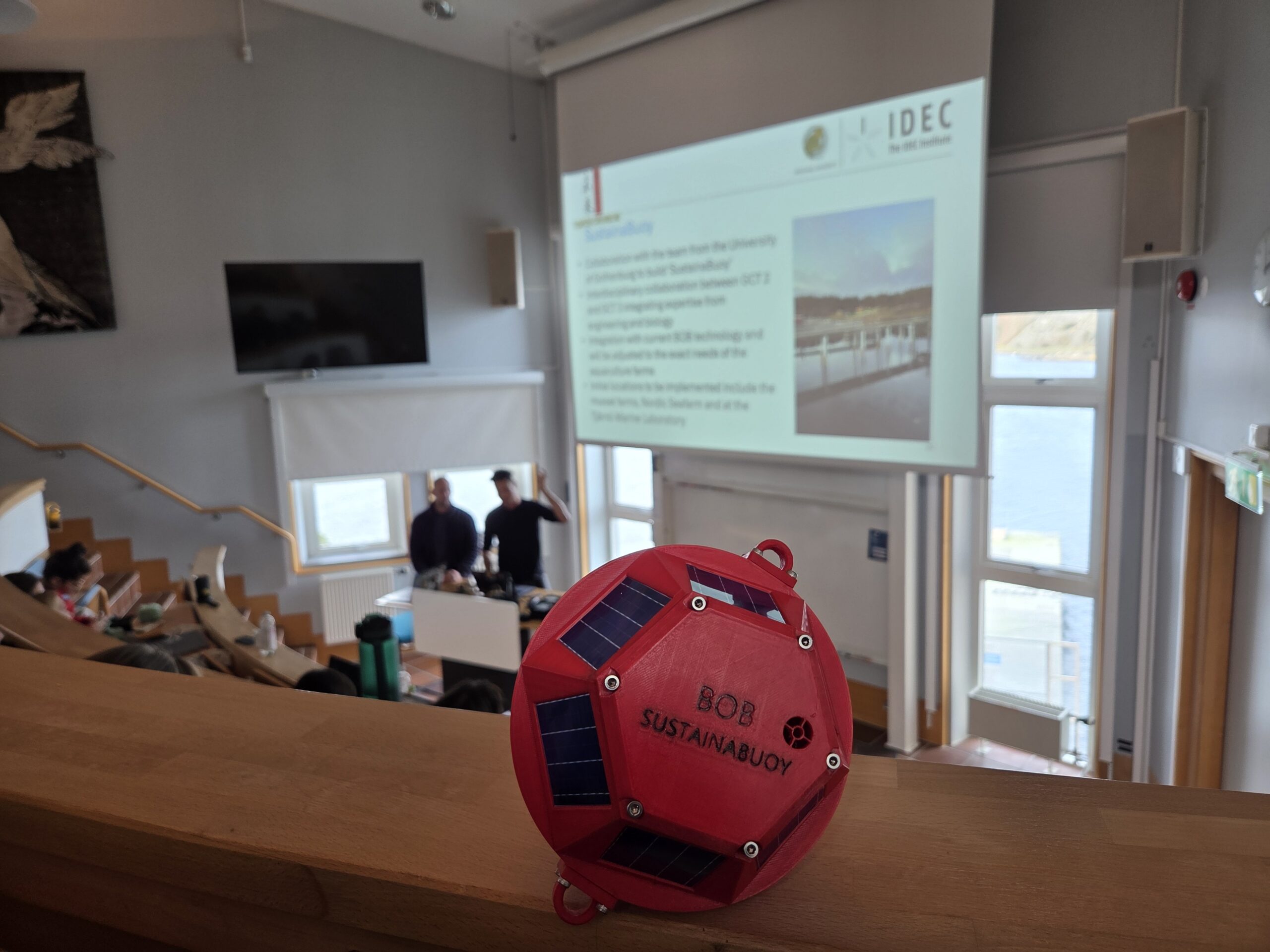
We are happy to announce that ChessBuoy has started a collaborative project with the University of Gothenburg.
The idea grew out of conversations about a shared interest: getting reliable, continuous measurements from coastal waters without the cost and effort that traditional monitoring usually demands. Our collaborators in Gothenburg are marine biologists, and many of their questions depend on long records of how the water changes from hour to hour and season to season. We bring buoys that are built to be deployed, left in the water and followed from a laptop. Putting the two together felt like a natural step.
To get things moving, we travelled to Sweden to present the project. It was a good chance to show how the buoys work, share the work we have been doing on the project over the past years, and talk through the questions the collaboration will focus on first. The discussions were open and practical, and we came back with plenty of ideas and a clearer plan.
Over the coming months we will be working with our colleagues in Gothenburg on the next steps, and we will share updates here as the project takes shape.
First Deployment of Our New Buoy at Kure Port
We are excited to share that we successfully carried out the first deployment of our newly designed buoy system! This marks a big step forward in our project, as we introduced several major upgrades:
- New energy setup for improved reliability.
- Fresh design and materials, now built with PETG for strength and durability.
- LTE communication replacing Iridium satellite, giving us faster and more cost-effective data transmission.
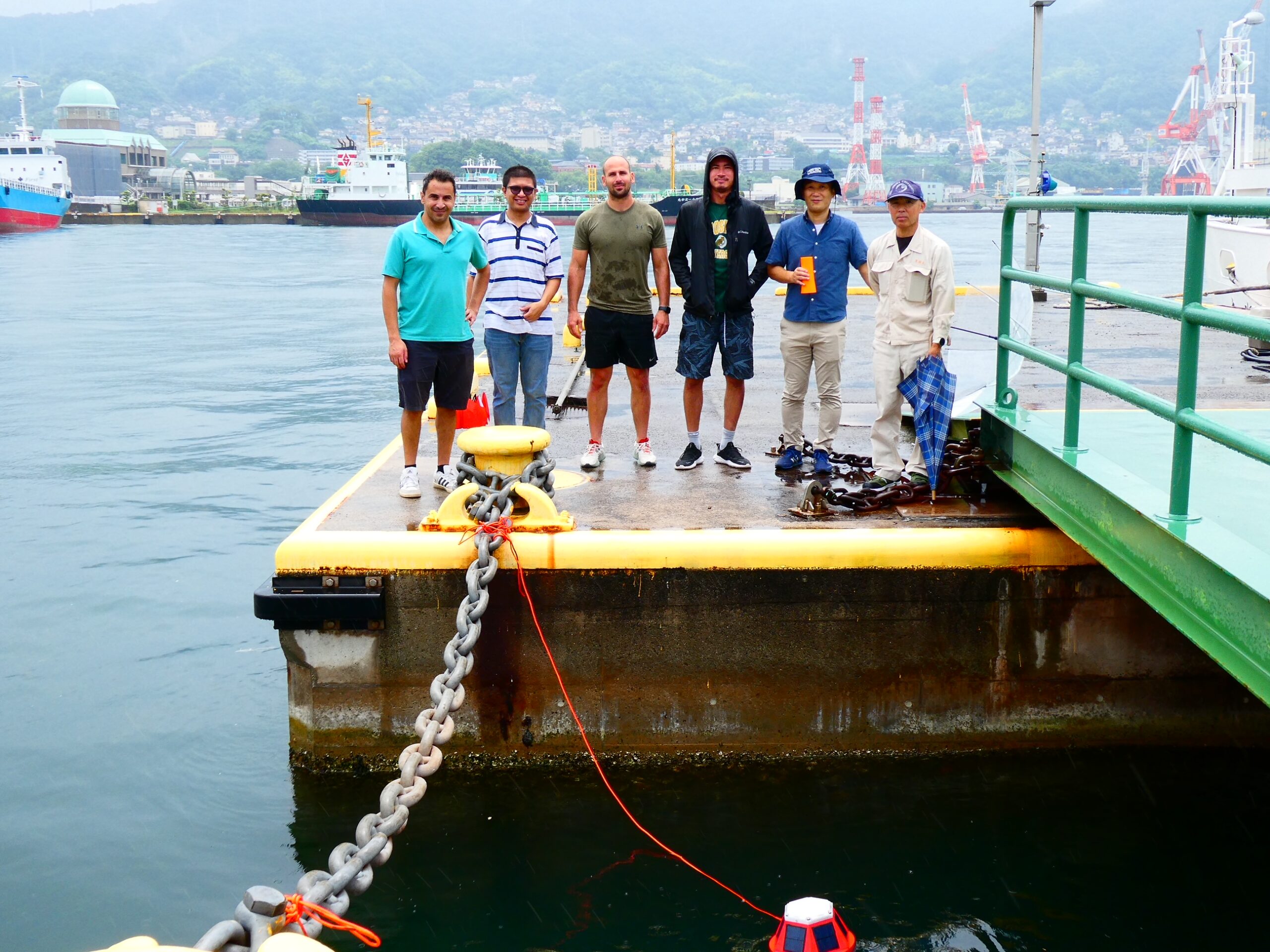
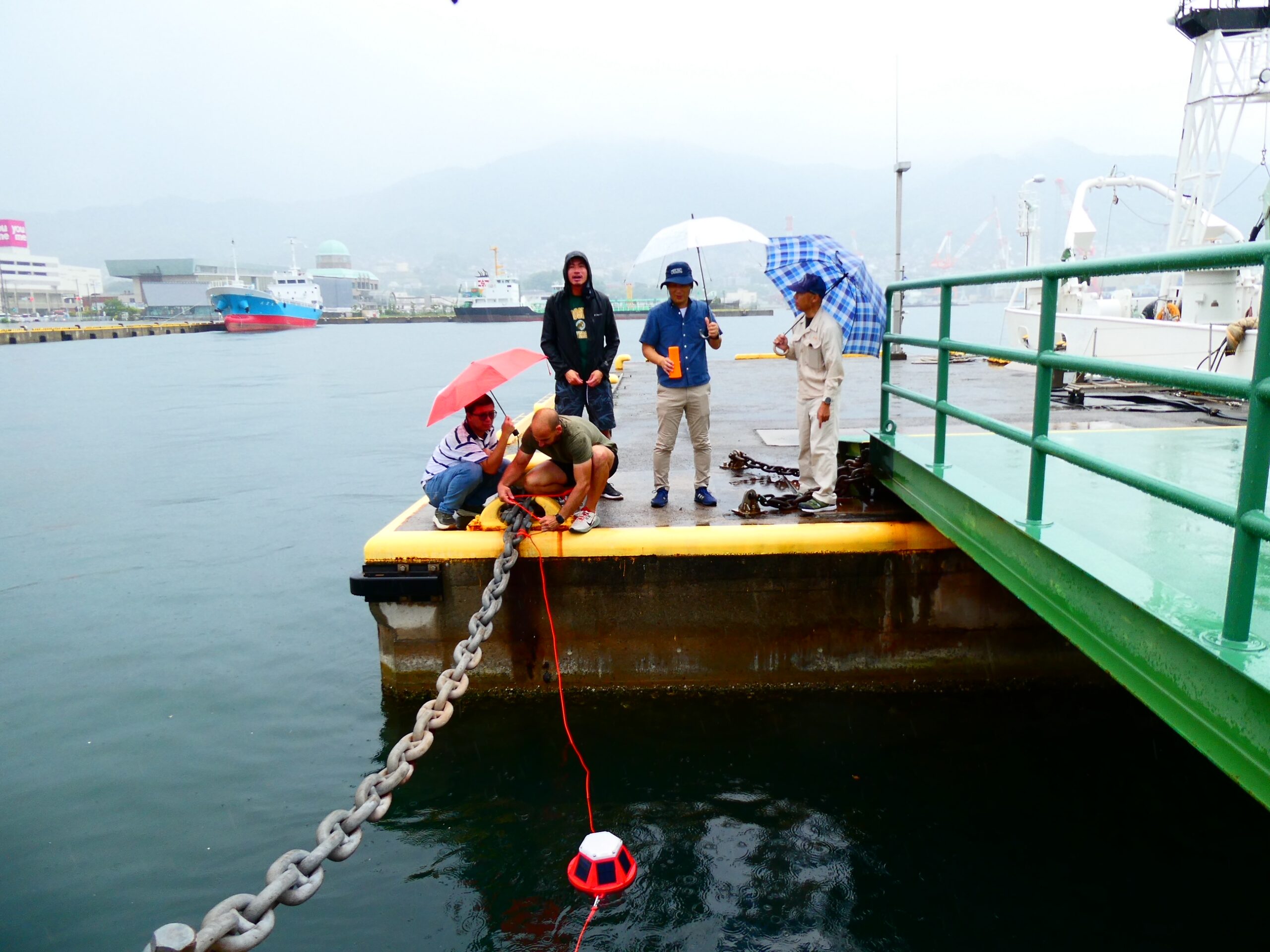
On a rainy morning, our team ventured out to Kure, where we partnered with the Hiroshima University Faculty of Biological Science Training Ship Base near the historic Yamato Port. We were able to use one side of the dock to tether our buoy securely in place.
From there, the buoy began collecting and transmitting seawater readings every 30 minutes, marking the start of its operational journey.
This deployment is a big milestone for us, and we’re excited to keep improving as we move toward long-term monitoring of seawater quality and ocean currents.
Check out the images from our exercise below, and visit the dashboard to see live data from this deployment.
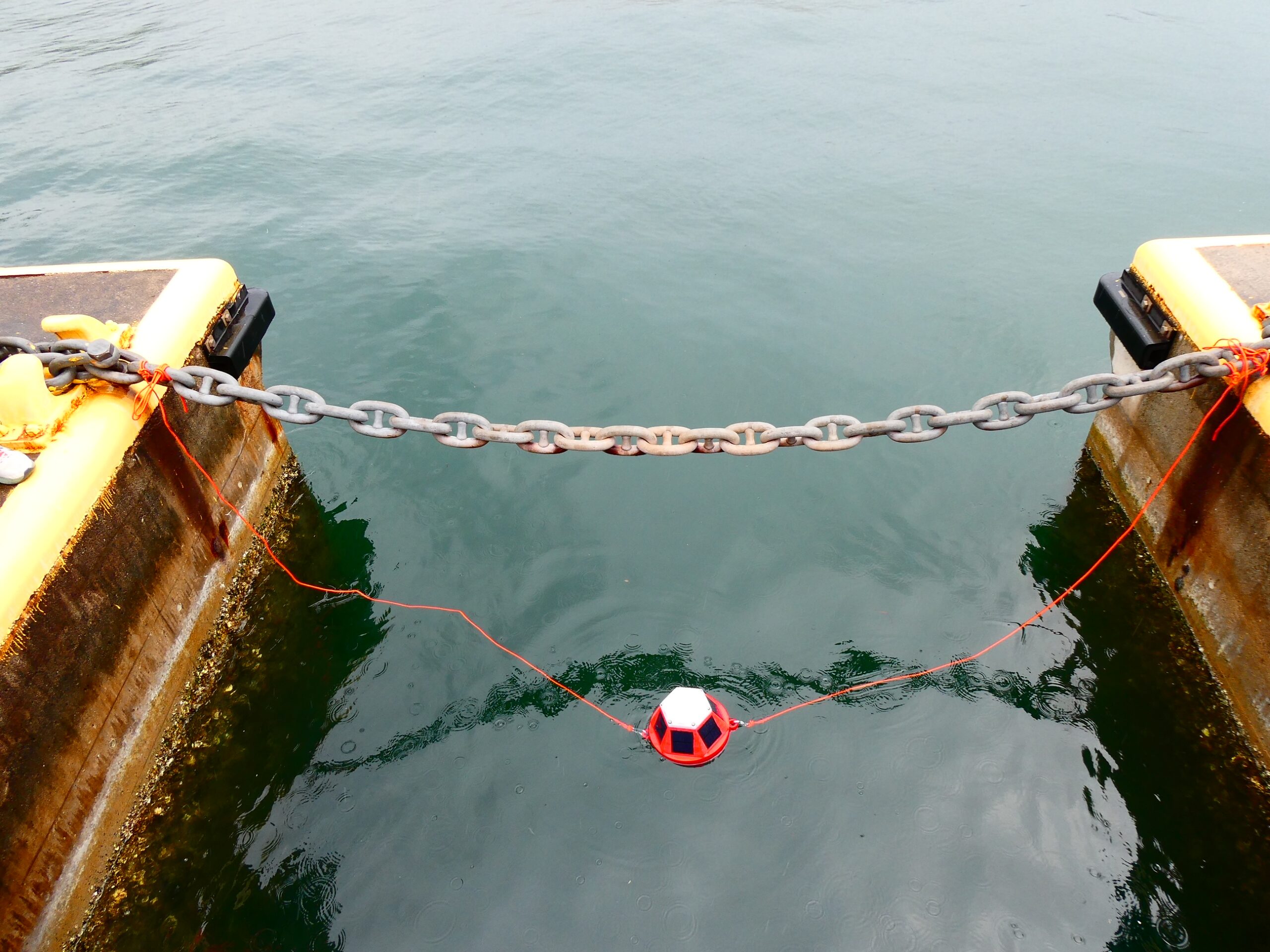
Click a photo to open it at full size.
First Deployment of BOB in Takehara
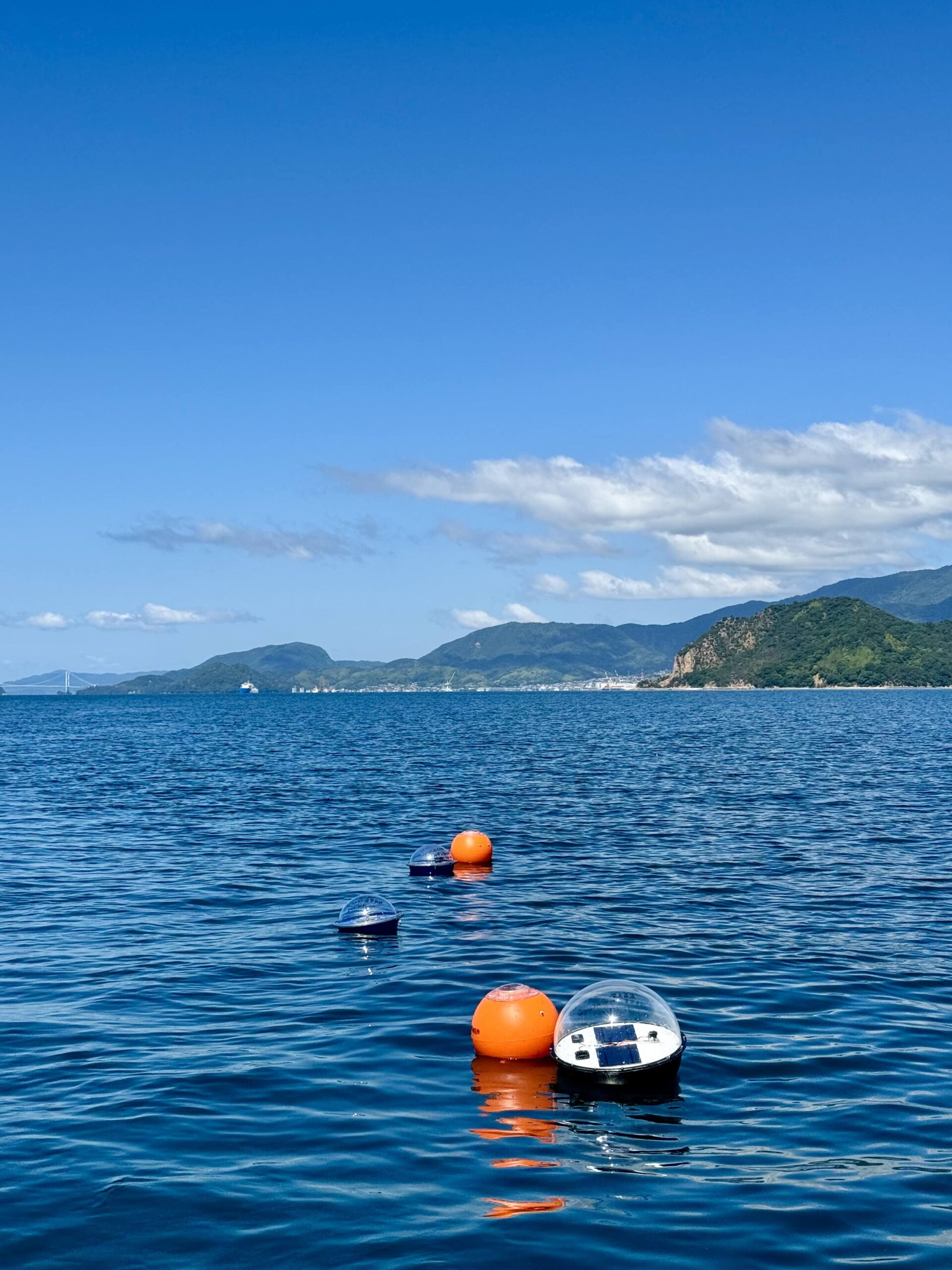
On 29 May 2024 we carried out our very first deployment, in Takehara.
The main focus of the day was BOB, the first generation of our buoy. BOB was built as a drifter: instead of being anchored in one place, it moves with the surface currents and reports its position as it goes. Along the way it also measured water temperature and salinity, so every point of its path came with information about the water around it.
BOB was not alone. We released several other drifters at the same time, and their tracks gave us the data for a particle movement analysis, a way of seeing how material floating at the surface spreads and travels through the area. Having several drifters in the water at once is what makes this possible, since each one follows a slightly different path.
Looking back, this is where it all started. Much of what we have built since then was shaped by what we learned on that day.